
Understanding Bulbs
How bulbs grow and return 🌷

Let’s discuss bulbs - I’m sure most of you have bought your bulbs...
If you haven’t already, I’d suggest buying from Farmer Gracy - they use recyclable packaging and have a nice variety of species and cultivars, all at a good price point.
During the Victorian era, there was a time known as orchid mania (also known as orchidelirium). The Victorians were driven wild by orchids, buying and obsessing over species from all around the world. They were a sign of status and wealth and it took off once British explorers and plant hunters began returning from South America, Asia, and Africa with exotic species.
I feel bulb season isn’t far off from orchid mania in the UK - all of the best species and cultivars selling out over the period of a few weeks.
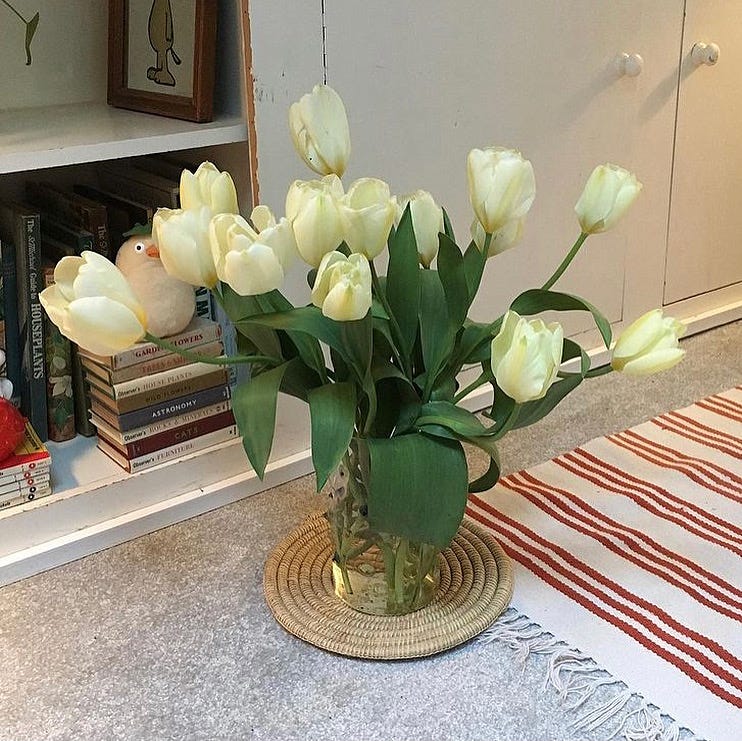
🌷
A bulb is defined as a specialised underground storage organ used by certain plants to survive adverse conditions, like winter or drought, and to regrow year after year.
In order to explain bulbs in the simplest of terms, I will break them down into three categories depending on how they grow and return:
1 - Bulbs for naturalising
2 - Bulb For Single Use or Short Display
3 - Returning Bulbs / Short Lived Perennials
Bulbs bring me a lot of joy and keep me busy during autumn. They are a symbol of spring to come and all the colours and shapes which you can grow are mesmerising.
A few tips for bulbs:
Store your bulbs in a cool, dry place, otherwise the warmth will trigger them into germination.
Try to plant tulip bulbs as late as possible, generally I wait until late October, early November, to avoid tulip fire (Botrytis tulipae) - a fungal disease which spreads in the damp soil, planting later when the soil is cooler and drier can reduce the chances of it appearing.
Plant at the correct depth - if you plant too shallowly or too deeply, your bulbs will grow blind (no flower head, just leaves).
Squirrels love tulips, rather rudely they don’t even eat them. The smell is very exciting to them, so if planting in containers, I’d suggest some chicken wire. If planting in borders, plant a little deeper than the suggested depth for added protection.
Naturalising
I favour bulbs for naturalising when selecting bulbs for clients’ gardens. Naturalised bulbs return year after year and are intentionally left in the ground to multiply over the years, creating a natural looking display.
Examples are:
Snowdrops (Galanthus nivalis)
Winter aconite (Eranthis hyemalis)
Crocuses (Crocus tommasinianus)
Daffodils (Narcissus pseudonarcissus, Narcissus. ‘February Gold’)
Bluebells (Hyacinthoides non-scripta)
Wild tulips (Tulipa sylvestris)


Two of my personal favourites, Fritillaria meleagris and Leucojum aestivum.


Examples of naturalised flowers in large clusters below - very effective and beautiful!


Bulbs For Single Use or Short Display
Mainly, I am referring to tulips when I discuss single use displays.
These bulbs are typically bred for one strong season and dislike remaining in damp summer soil. In some ways, you could treat tulips a little like you do annual bedding, lifting out of the ground and composting once they have finished flowering, otherwise the following year, you’ll have a bed full of tulip leaves and no flowers.
Personally, I adore tulips and bought myself some special cultivars which I will patiently wait until spring.
Examples:
Most modern tulips (Tulipa hybrids)
Some hyacinths (Hyacinthus orientalis)
Certain showy alliums
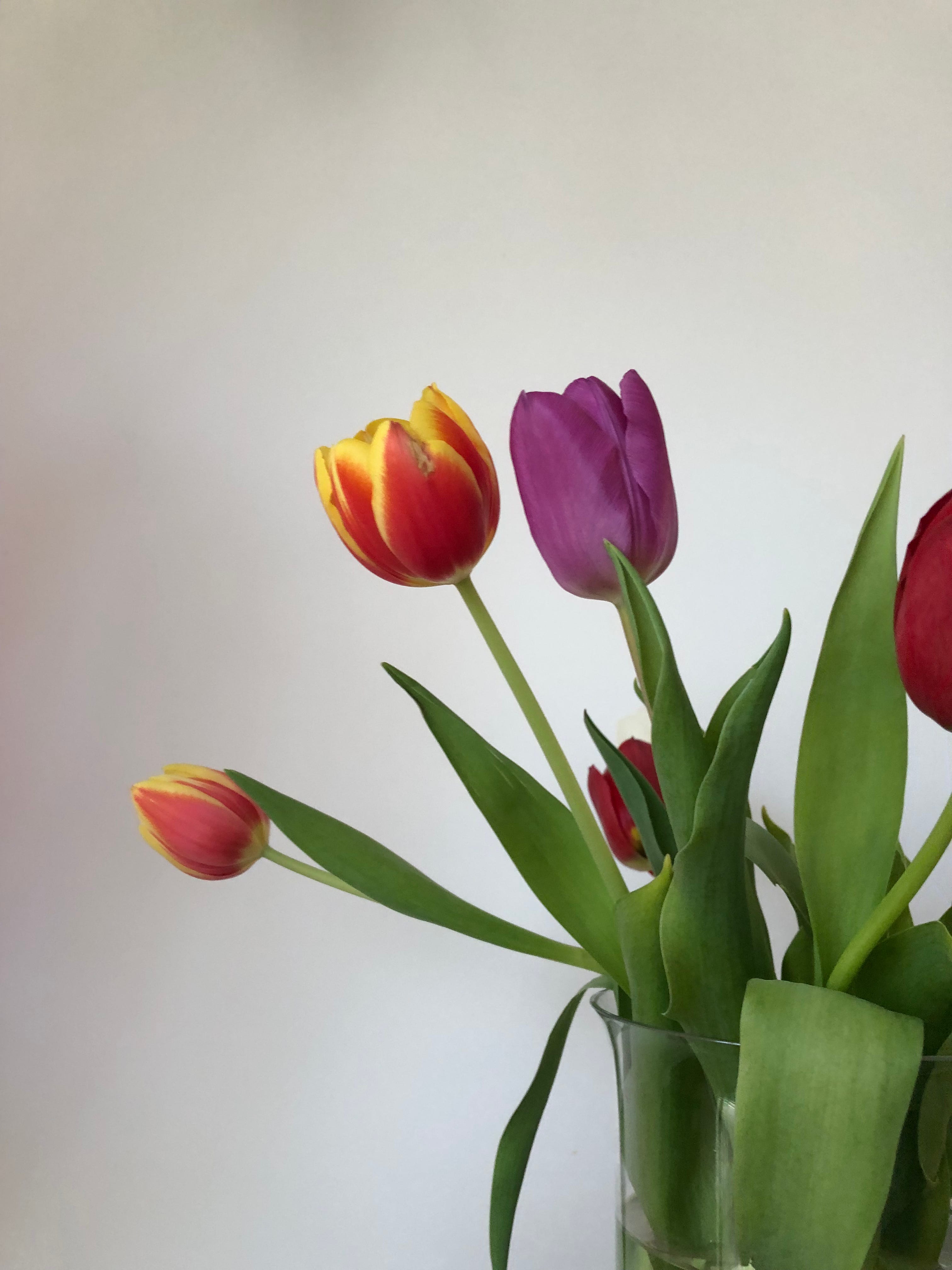
I have bought myself Tulipa ‘Apeldoorn Palace’ and Tulipa ‘Mariette’ to plant in containers this year!


Returning Bulbs / Short-Lived Perennials
These bulbs will return if the conditions are correct, however, generally will never naturalise. They may spread a little yet their performance will most likely decline over time.
Examples are:
Some daffodils (Narcissus ‘Tête-à-Tête’, N. ‘Ice Follies’)
Alliums like A. ‘Purple Sensation’
Ornamental lilies (Lilium regale, L. martagon)
Camassia (Camassia leichtlinii)


Final Note
So now you have an idea of how certain species of bulbs grow in the garden, maybe you could consider planting a few in your garden. Many grow well in containers, so can be planted on a balcony (ideally sheltered), on the porch, in a communal courtyard or even a window box.
I recently overheard someone in the garden centre moaning on the phone, telling their friend that all they wanted to find was a bulb which came back each year. Before I had a chance to give my unsolicited advice, this customer had disappeared into another section of the garden centre and alas, was none the wiser.
So I decided to write this Substack, as it’s reminded me that bulbs can be confusing!
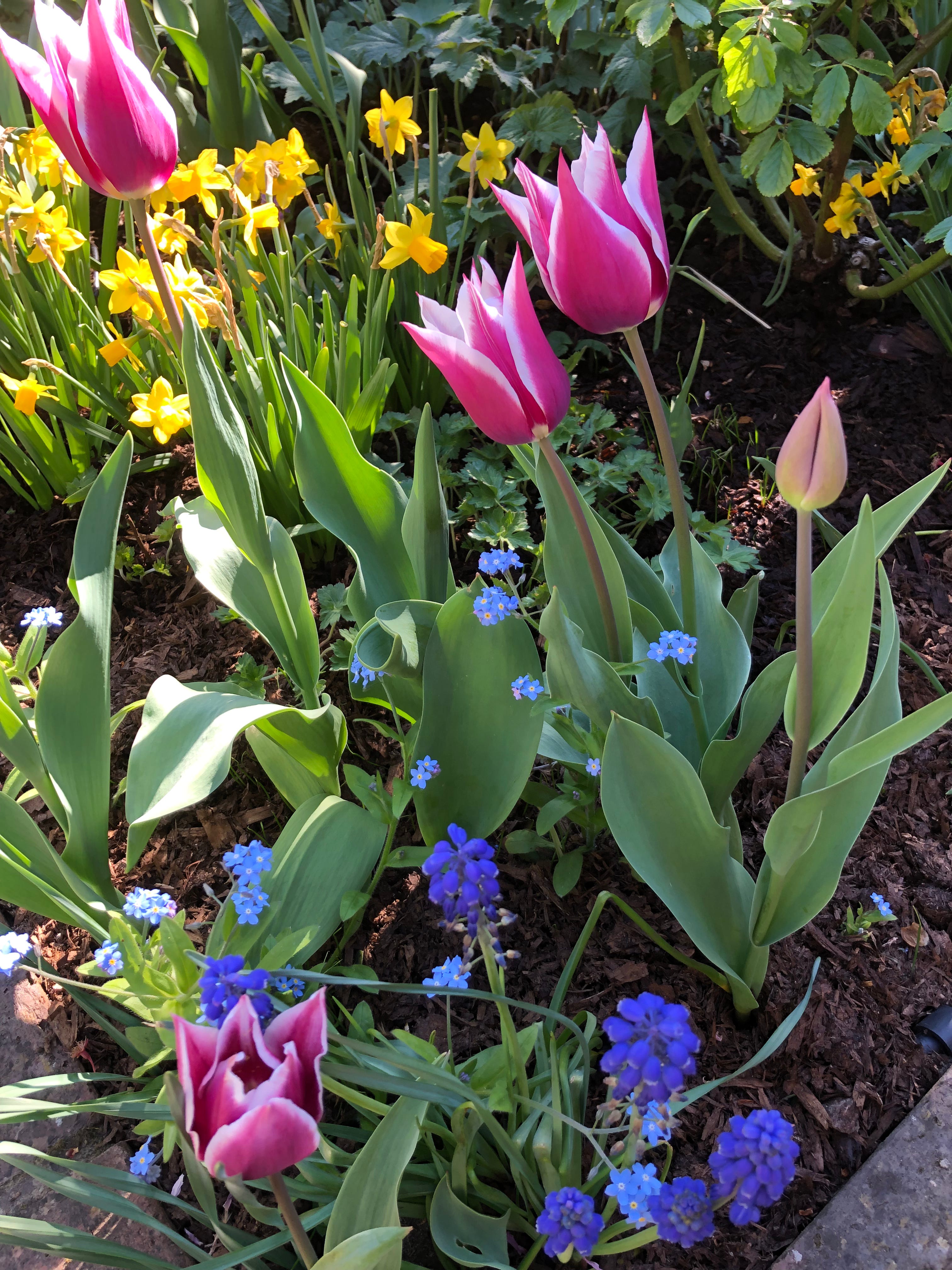
To conclude, below is a nice bulb display which I put together last year with tulips, daffodills, muscari and some forget-me-not’s too for good measure!
Thank you again readers for subscribing and a small bow to my paid subscribers!
It means a great deal to me that you take the time to read my gardening rambles – and each new subscriber warms my heart a little more.
Please do comment or ask me any questions as I’d love to advise, or hear your stories.🌷