
Rainfall
Why is rain so important?

Rainfall
Drip drop - she taps knowingly at the window.
Hello, I’m here, you haven’t seen me as of late.
The grey clouds couldn’t carry the weight of her full heavy drops any longer.
Raindrops speckle the windows and wheels cut through the glossy roads with spinning splashes, lit up by the headlights.
The rain soaks into the earth, now a dark black.
Petals become heavy and plants lean downwards, bowing to the heavens.
Bird-baths and water-butts refill, while locks become rusty and shed rooves leak into well placed buckets.
That’s enough for today, she says, and the clouds relieved of their watery burden, return to a pure fluffy white state.
After, a heavy stillness remains.
Some balance has been restored and for a while, her quiet enchantment holds, only to return another day soon.
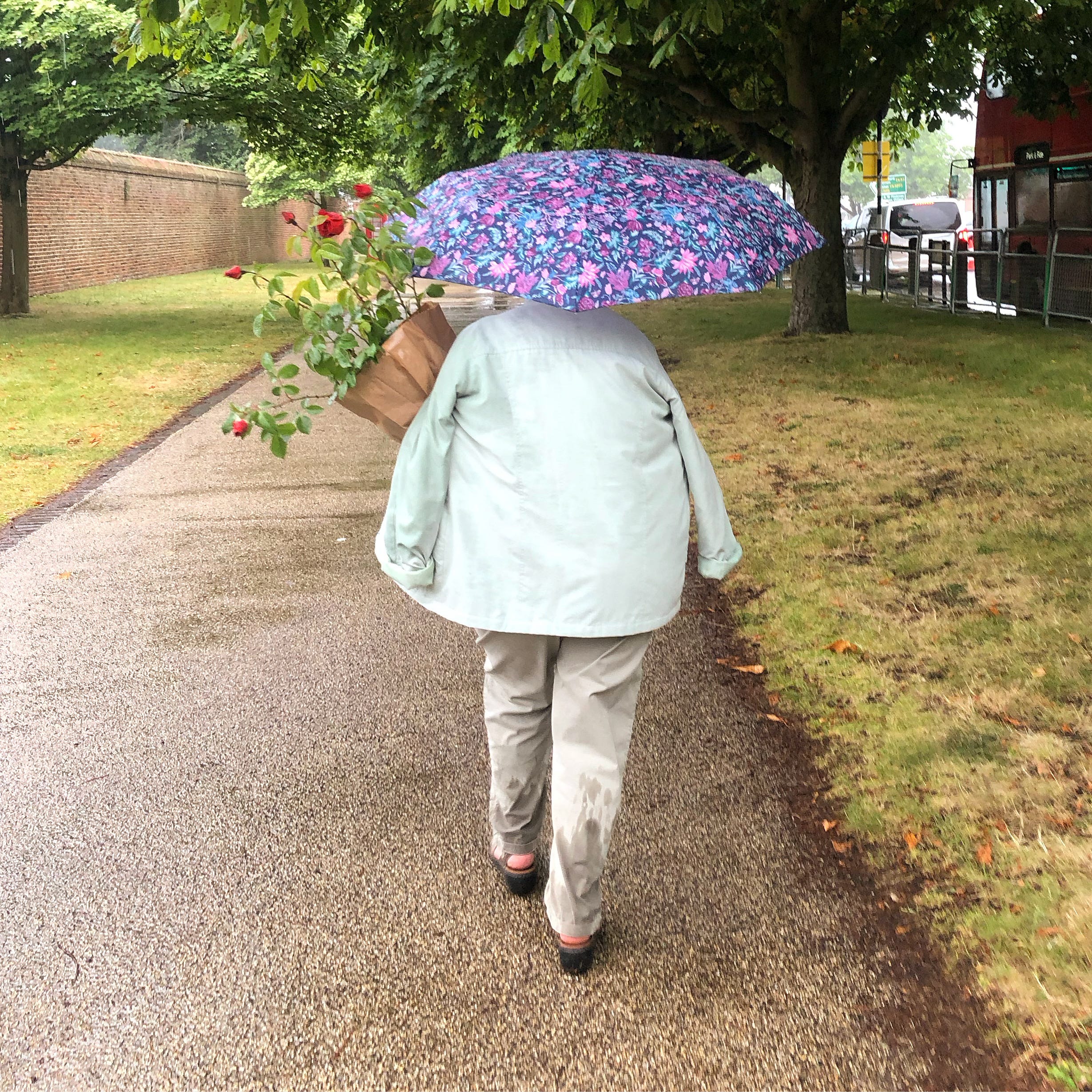
I love the rain as a gardener – it’s comforting and reassuring to know that all my clients’ gardens have been given a good soaking.
Rain certainly has its place, although when it falls for a few days in a row, I start to sulk a little. All my tools need constant drying, especially carbon steel on my secateurs and shears, which are very prone to rust. I also have to cancel certain jobs, like hedge cutting or working on ladders, as they become quite impossible in the rain.
Why do we need rain? 🌧️
Rain is so important - it is essential for activity in the soil. Worms breathe through their skin so need a moist environment to work, as well as soil microbes needing a little moisture too to avoid dormancy.
It supplies fresh water to rivers, lakes and groundwater; and refills our reservoirs, aquifers (storing ground water) and soils, ensuring a steady supply of water for humans, animals and crops.
We all know that it supports plant growth, helping them take up nutrients and photosynthesise, creating oxygen for us to breathe.
Lastly, rain regulates temperature and climate, moving heat around the atmosphere, keeping the planet’s climate stable. Interestingly, it is able to clean the air and shapes our landscape through erosion.


The process of rainfall - from cloud formation to rain, sleet and hail 🌧️
The sun warms the earth, and turns water into vapour, known as evaporation. Plants also join in (transpiration), releasing moisture from the leaves into the air.
As this water vapour rises, it meets cooler air in the atmosphere. Cooler air can’t hold as much moisture, so the vapour condenses back into tiny droplets of liquid water. These droplets cling to specks of dust or salt in the atmosphere, forming clouds.
Each cloud is a collection of millions of miniature droplets, so light they stay suspended. The shape and height of the cloud depend on temperature, air movement and how much moisture is available.
When enough of these droplets gather and merge, they become too heavy for the air to hold, known as precipitation. Gravity pulls them down and this is what we known as rain.
Ice crystals can form in the clouds if it’s cold enough, clumping together to form snowflakes. If the air layers vary between the clouds and the ground level, this can form hail or sleet.
Sleet - when snowflakes begin to melt in a warm layer, then refreeze as tiny ice pellets before reaching the ground.
Hail - in large storm clouds, powerful winds toss raindrops up and down through cold air, freezing them again and again until they grow into hailstones and finally fall to the ground.
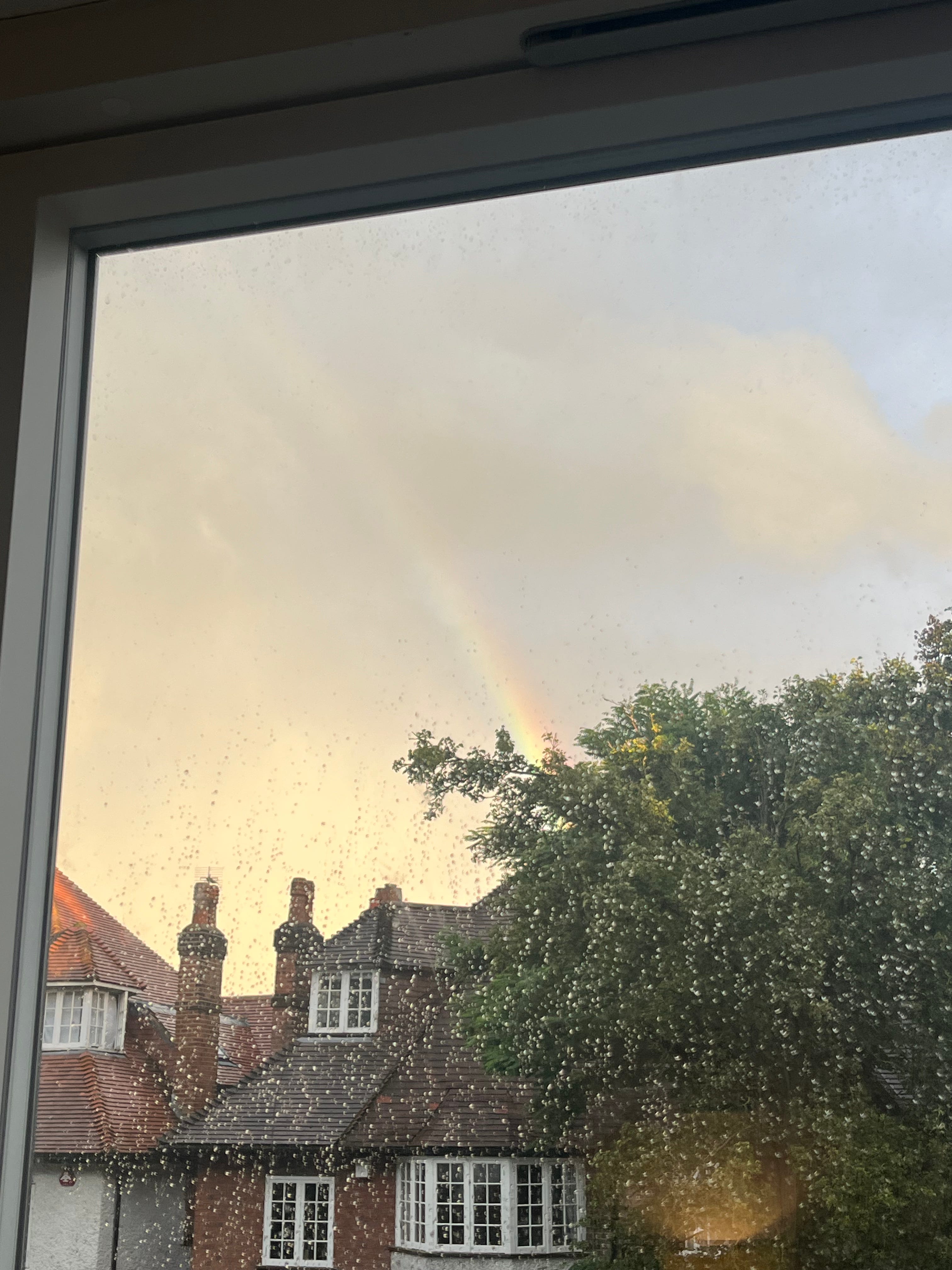
How does rain clean the air? 🌧️
This process is known as wet deposition, in which each droplet of rain collects nitrogen oxides and sulphates as it falls to the ground.
The first rainfall that arrives after a period of drought is known as a first flush so when it rained this September - it washed months of dust, soot and dried bird droppings from roofs, roads and fields straight into rivers and drains.
This sudden surge of nutrients and contaminants did temporarily lower water quality and oxygen levels, especially in small streams.
Lastly, did you know we had one of our driest springs this century? 🌧️
Rather terrifyingly, we saw less than half the typical spring rainfall. In May, we only had between 2-17% of the average rain we should have in particular regions.
This lack of rainfall in spring has raised real concerns about drought and stressed water resources.
So next time it rains, you can appreciate just how important it is and why we should cherish each rainy day, as it plays a vital role for our planet 🌎